Precision Road Dash
Reviews
Precision Road Dash strips driving down to steering alone, then raises the stakes with a one-collision rule. The fixed, winding tracks and clear cartoon visuals support memorization and quick reactions, while runs lasting a minute or two suit short play sessions. It is best for players who enjoy precision challenges and repeated attempts rather than open-ended racing. The main limitation is variety: the input confirms consistent layouts but does not describe multiple tracks or modes.
Description
Course Design and Visual Clarity
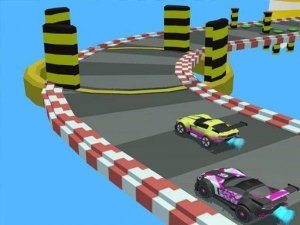
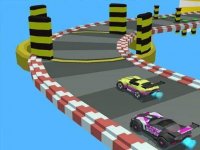
Tracks in Precision Road Dash are winding paths rather than wide-open roads. Cones, barrels, and similar roadside objects sit along the route, and the layout forces constant small corrections to stay clear. The game uses a colorful, cartoon-like 3D style with bright colors and clear road markings. That clarity is functional: hazards can appear suddenly around corners or after straight sections, so readable visuals give players a fair chance to react in time.
Steering Without Acceleration
There is no throttle or brake to manage. Control is limited to direction, handled either by touch-based steering or the device's tilt sensors. Both options are tuned for immediate response, which matters when squeezing through tight gaps between barriers. Because the input is so direct, the challenge comes from reading the track and making small adjustments rather than managing speed. Newcomers can pick up the controls quickly, while players chasing precision still have room to improve.
One Collision Ends the Run
Every attempt carries the same rule: touch any barrier and the run is over. That single-hit structure creates tension and pushes players toward caution over recklessness. The reward for a clean run is simply reaching the finish line. Because failure resets progress, each attempt feels meaningful, and players naturally learn to balance speed with control, settling into a pace that lets them clear the course without contact.
Short Sessions and Route Memory
A full run takes only a minute or two, so the game suits brief breaks. The fixed track layout lets players memorize obstacle positions and plan their line in advance. That memorization adds a strategic layer: experienced players can anticipate where to position the car before a hazard even appears. Quick sessions plus skill-based improvement give the game its replay value.


Editorial Notes