Tile Match Hexagon
Reviews
Tile Match Hexagon takes the familiar match-and-clear formula and adds a hexagonal grid, which increases the number of adjacent tiles you must consider. The result is a puzzle that feels more strategic than typical square-grid matching games. Because there is no timer, the challenge comes from board management and anticipating how new tiles will fall. The visual style is clear and readable on both desktop and mobile. It suits players who enjoy casual puzzle games with a bit of forward planning, though those seeking fast-paced action may find the pace too slow.
Description
The Hexagonal Match Mechanic
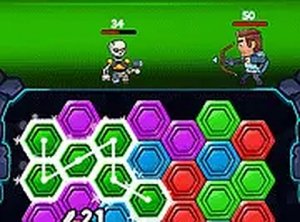
Tile Match Hexagon places a grid of hexagonal tiles on screen. Each tile shows a color or symbol. Your job is to select a group of adjacent tiles that share the same appearance. When you do, those tiles vanish. New tiles may then drop into the empty spaces. The hexagonal layout means every tile touches six neighbors instead of the four you get on a square grid, so more potential matches exist at any moment—and more ways to misjudge a clear.
Why Board Management Matters
The board gradually fills with new tiles. Clearing a small group creates space, but it also changes which tiles are adjacent. Holding out for a larger match can trigger special effects, yet waiting too long may leave you with fewer options. The real decision is not whether you can match, but whether clearing now helps or hurts your next few moves. That tension is the core of the game.
Designed for Browsers and Small Screens
The game runs in desktop and mobile browsers with no download and no account. Controls are simple: click or tap a tile to select it. Full-screen mode is available. The visual style uses clear colors and symbols so tile types stay distinguishable even as the board crowds. On smaller screens, the layout remains readable without zooming.
Pacing and Difficulty
Early rounds introduce the basic matching rule and let you get used to the hex grid. Later puzzles demand that you think several moves ahead—anticipating where new tiles will fall and which groups will remain reachable. There is no timer, so you can study the board at your own speed. The difficulty curve accommodates both casual players and those who want a mental workout.










Editorial Notes