Retro Arcade Runner
Reviews
Retro Arcade Runner targets players who enjoy classic platforming actions without a long campaign structure. Its strength lies in the speed-based difficulty curve, which turns enemy patterns and level layouts into learnable challenges rather than pure reaction tests. The pixel art and soundtrack support that arcade identity. The main limitation is scope: the available information describes a focused hyper-casual loop, so players seeking deep progression or multiplayer should look elsewhere.
Description
Core Loop and Objective
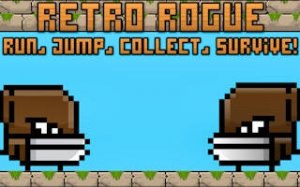
Retro Arcade Runner builds its sessions around three actions: run, jump, and collect. Each level asks the player to cross gaps, dodge hazards, and gather coins and power-ups, with the score tied directly to how much is collected and how long the player survives. There is no separate combat system or inventory to manage, so the challenge comes from timing and route choices rather than resource planning.
Pacing and Difficulty Curve
The game's difficulty scales through speed. As a run progresses, movement accelerates, which shortens the window for every jump and forces players to read hazards earlier. Learning enemy patterns and memorizing level layouts becomes the main way to stay ahead, because reacting purely on reflex grows less reliable once the pace climbs. This design supports short sessions while still rewarding repeated attempts.
Progression and Rewards
Ability-based progression lets players build skill over time rather than unlocking large content gates. Coins and power-ups feed into a reward system that motivates another attempt, and global leaderboards give a concrete target for players who want to compare collection totals and survival times. The retro-modern art style and energetic soundtrack reinforce the arcade feel without changing the underlying mechanics.
Practical Tips
Anticipating hazards matters more than raw speed. Collect power-ups when the route allows, since they provide temporary advantages during dense sections. Practice precise jumps on gaps before pushing for a high score, and when the game accelerates, keep timing consistent instead of rushing inputs. Regular short sessions tend to improve reflexes and overall score more than occasional long ones.
Compatibility
Faq
Is Retro Arcade Runner a platformer or an endless runner?
Does Retro Arcade Runner have multiplayer or online play?
What do power-ups actually do in Retro Arcade Runner?
How does the difficulty increase in Retro Arcade Runner?
Is Retro Arcade Runner suitable for short play sessions?
What art style and audio does Retro Arcade Runner use?
Related Picks

Monkey Frenzy 60 Second Arcade

Meera Quest: Anime Platformer Journey

Jetpack Jumpers: Online Arcade Adventure

Spring Jump Physics Platformer

Fruit Slice Dash - Endless Arcade Game

Shadow Runner: Arcade Action

Grandma Dash Japan Runner

Skateboard Dash: Arcade Runner

Tung Tung's Treasure Chase

Editorial Notes