Backpack Tactics Game
Strategy Puzzle Organization Competitive Casual Ranked Item Management
Backpack Tactics Game
41
Developer: Sapphire Gem Creations
Published: 1775750400
Updated: 2026-09-30

Reviews

Backpack Tactics Game stands out by making inventory arrangement the central competitive act. The mix of item rarities, crafting, and counterplay gives each match a tactical layer beyond simple packing. Casual mode lowers the entry barrier, while ranked mode rewards players who refine their spatial reasoning. It suits strategy fans who enjoy planning under tight constraints, though the focus on optimization may feel demanding for those seeking pure luck-based fun.

Description

Packing as a Competitive Puzzle

Backpack Tactics Game turns inventory management into a head-to-head contest. Each item you place has its own attributes, price, and rarity, and the limited space inside your backpack forces constant trade-offs. The goal is not simply to fill every slot but to build a setup that outsmarts your opponent's build. [IMG_1]

Controls and Placement

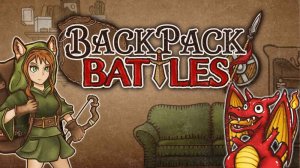
Everything is handled with the mouse. Click and drag items to move them, and rotate pieces with a right-click, the mouse wheel, or a keyboard key. Rotation matters because odd-shaped items can block efficient layouts. Planning your arrangement around synergies and powerful combinations is the core decision you make each match. [IMG_2]

Crafting and Counterplay

Items are not just placed—they can be combined. Crafting lets you turn raw components into equipment, potions, or even a dragon friend. Because opponents bring different builds, you need to read their strategy and adapt your own setup to counter it. Careful planning and quick adaptation separate winning layouts from losing ones. [IMG_3]

Casual and Ranked Play

Two modes set the pace. Casual matches give you room to experiment with item combinations and tactics without the pressure of a rating. Ranked matches are for players who want a serious test of their packing strategies. Practicing in casual first helps you refine spatial reasoning and decision-making before you commit to ranked competition.


Editorial Notes

Compatibility

Play on Any Device | Chrome / Safari / Edge Recommended

Faq

What is the main goal in Backpack Tactics Game?
The main goal is to arrange items inside your backpack to create the strongest possible setup. You must consider each item's attributes, price, and rarity while using limited space. Success depends on building synergies that can outsmart your opponent's arrangement.
How do I rotate items in Backpack Tactics Game?
You can rotate items using a right-click, the mouse wheel, or a keyboard key. Rotation helps you fit awkwardly shaped items into tight spaces. Since backpack space is limited, rotating pieces efficiently is often the difference between a functional layout and a wasted slot.
Can I craft new items in Backpack Tactics Game?
Yes. Combining items allows you to craft equipment, brew potions, or hatch a dragon friend. Crafting adds a layer beyond simple placement because you must decide which components to keep and which to transform. These crafted results can define your overall strategy.
What is the difference between casual and ranked modes?
Casual mode is designed for relaxed play and experimentation, letting you try different item combinations without ranking pressure. Ranked mode is for serious competition where your packing strategies are tested against other players. Many players use casual matches to practice before entering ranked.
Do I need to adapt my strategy during a match?
Yes. Opponents use different builds, so a setup that works against one strategy may fail against another. You need to pay attention to what your opponent is doing and adjust your item placement or crafting choices to counter their approach. Quick adaptation is a key skill.
Is Backpack Tactics Game suitable for players new to strategy puzzles?
The game offers casual mode specifically for players who want a lower-pressure introduction. You can practice arranging items, rotating pieces, and experimenting with combinations before trying ranked matches. The spatial reasoning skills improve with regular play, so beginners can gradually build confidence.