Sequence Memory Trainer
Reviews
Sequence Memory Trainer keeps its scope narrow: watch a color pattern, repeat it, and survive one more step. The lack of a timer makes it more about recall than reflexes, which suits players who prefer thinking room over speed. Browser-based HTML5 support means it works across devices without installation. The main limitation is built into the design—one mistake ends the run, so players seeking gradual level progression or saved scores will not find them here. It is best for short daily practice or casual family play.
Description
How the Sequence Loop Works
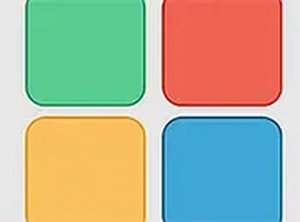
Each round begins with a set of colored buttons. One button lights up, then another, then another, building a random pattern. When the playback stops, you click or tap the buttons in the same order. Get it right and the next round adds one more step. Get it wrong and the game ends. There is no timer, so you can pause and think before responding. That design choice shifts the challenge from reaction speed to observation and recall.
Progression Without Levels
Sequence Memory Trainer does not use levels or checkpoints. Difficulty rises on its own as you succeed. An early sequence might be three lights long; after several correct rounds, it can reach ten or more steps. Because the game ends at your first mistake, your personal best sequence length becomes the clearest measure of progress. This structure lets beginners start comfortably while experienced players push toward longer patterns.
Device Support and Interface
The game runs in any modern browser using HTML5, so no plugins or downloads are required. Input works with both touchscreens and a mouse, and the interface adapts to phones, tablets, and desktop computers. A full-screen mode removes distractions if you want to concentrate only on the pattern. The lightweight build loads quickly even on slower connections.
Visual Feedback and Accessibility
Buttons are brightly colored and easy to tell apart. Each one lights up with a clear visual cue, and the sequence plays back smoothly. After you respond, the game immediately shows whether you were correct. The clean, uncluttered layout keeps attention on the task and suits children, adults, and seniors alike.
Building a Practice Routine
Short daily sessions tend to work better than long, exhausting ones. Start with shorter sequences to build confidence, then let the game lengthen them naturally. Some players focus on the pattern of colors as a whole rather than memorizing each step individually. Taking breaks between sessions can prevent mental fatigue, and tracking your best sequence length gives you a concrete way to see improvement.









Editorial Notes