Buddy Pathways: A Two-Player Puzzle Game
Reviews
Buddy Pathways centers on a clear cooperative hook: two characters, one exit, and levels that require both to arrive together. The dual-control design works for local two-player sessions and for solo players who want a heavier mental workout. Gentle obstacles, switches, and hidden keys give each stage a readable structure without time pressure. The pixel art and cheerful audio keep the tone welcoming. Its main limitation is that the available information does not describe online play or character-specific abilities, so it is best approached as a same-device co-op puzzle.
Description
Guiding Two Characters at Once
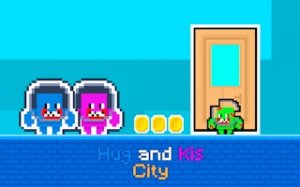
Buddy Pathways hands you control of two characters simultaneously. The goal on every stage is simple to state: both must reach the exit door together. That single rule shapes every decision. A route that works for one character often fails for the other, so you plan moves that keep both safe and in sync. Scattered gold coins add bonus points, and a hidden key unlocks the final door. Gentle obstacles and switches that clear blocked paths force you to think before you move.
City Stages and Rising Complexity
Each stage presents a fresh arrangement of platforms, barriers, and interactive elements. Early levels teach the basics of dual-character control and switch activation. Later puzzles demand multiple steps and precise coordination. The city setting varies backdrops and environmental details, so the visual experience stays fresh as the logic tightens. Players who observe a level carefully before acting tend to solve it faster than those who rush.
Cooperation on One Screen
Buddy Pathways is built around cooperation. In two-player mode, each person controls one character, which makes direct communication and joint decision-making essential. Solo players manage both characters alone, adding a mental layer that changes how the same puzzle feels. Simple controls and no time pressure let families and newcomers progress at their own pace. The pixel art style gives the game a friendly, nostalgic look, while cheerful music and clear audio cues for coins and doors reinforce the positive tone.
Compatibility
Faq
Can I play Buddy Pathways by myself?
Does Buddy Pathways support online multiplayer?
What do the gold coins and hidden key do?
Is Buddy Pathways difficult for younger players?
What makes the city-themed stages different from each other?
Do the two characters have different abilities?
Related Picks

Monkey Frenzy 60 Second Arcade

Jetpack Jumpers: Online Arcade Adventure

Medieval Village Builder Idle

Spring Jump Physics Platformer

Fruit Slice Dash - Endless Arcade Game

Shadow Runner: Arcade Action

Grandma Dash Japan Runner

Tung Tung's Treasure Chase

Kingdom Merge: Tower Defense Strategy

Editorial Notes