Pop Quiz Reaction
Reviews
Pop Quiz Reaction delivers exactly what its name suggests: pop-up questions, a ticking clock, and a difficulty curve that rewards sharp reading and fast input. The gradual pace increase gives newcomers room to adjust, while the reward system and changing scenarios encourage repeat runs. Its browser-based design and pause option suit busy schedules. The limitation is depth—players seeking complex mechanics or long-form progression will find it intentionally light.
Description
Answering Under Pressure
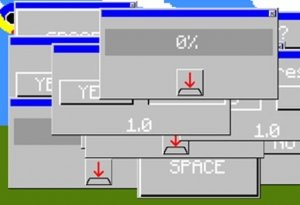
Pop Quiz Reaction is built around a single loop: a question appears, you read it, and you select an answer before the timer expires. The game uses your keyboard or mouse for input, and a brief control overview appears at the start so you know exactly how to interact with each prompt. Questions cover a mix of general knowledge and observation-based challenges, so you cannot rely on one skill alone. The core tension comes from the clock, not from complex rules.
How the Pace Escalates
Early rounds move slowly, giving you room to learn the question format and settle into a rhythm. As you advance, the timer shortens and prompts arrive faster, which forces quicker decisions and sharper focus. That gradual increase in speed is the main difficulty curve. You can pause at any point if you need a break, which makes the game easier to fit into short sessions. Combining careful reading with fast responses is the practical key to progressing through the levels.
Session Structure and Replay
Each run presents new scenarios and question types, so repeated sessions do not feel identical. A reward system tracks completed objectives and personal records, giving you something to aim for beyond simply finishing a round. Different phases within the game help maintain interest across sessions. The design is optimized for both desktop and mobile browsers, so the same experience is available on different devices. The game includes modes and scenarios typical of the casual reaction genre, with intuitive controls suited to quick browser play.
Compatibility
Faq
What kind of questions appear in Pop Quiz Reaction?
Do I need to install anything to play Pop Quiz Reaction?
Can I pause Pop Quiz Reaction if I need a break?
Is Pop Quiz Reaction suitable for younger players?
How does Pop Quiz Reaction keep each session feeling different?
Does Pop Quiz Reaction get harder over time?
Related Picks

Monkey Frenzy 60 Second Arcade
Jetpack Jumpers: Online Arcade Adventure

Spring Jump Physics Platformer
Fruit Slice Dash - Endless Arcade Game
Shadow Runner: Arcade Action
Grandma Dash Japan Runner

Skateboard Dash: Arcade Runner

Tung Tung's Treasure Chase
Kingdom Merge: Tower Defense Strategy
Editorial Notes