Skateboard Dash: Endless Arcade Runner
Reviews
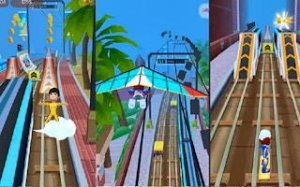
Skateboard Dash does one thing and does it without clutter: you jump and slide through an urban course until you crash. The changing obstacle arrangement gives each run a fresh shape, and the two-button control scheme keeps the barrier to entry low. It suits players who enjoy short, repeatable attempts and gradual improvement. The trade-off is limited depth, since there is no story, progression system, or ending to work toward beyond a higher distance.
Description
Run Until You Fall
Skateboard Dash has no final level. The goal is to cover as much ground as possible before hitting an obstacle. When you crash, the run ends and your distance is recorded. Because the obstacle layout changes each time, you cannot simply memorize a sequence; you have to read what is coming and react in the moment.
Jump, Slide, Repeat
Your skater moves forward automatically, so the only decisions are when to jump and when to slide. Low barriers and rails require a jump; overhead beams and signs require a slide. The challenge comes from switching between these two actions quickly and cleanly. Mistiming either one ends the run.
What Each Run Feels Like
Runs are short by design. A clean stretch feels rhythmic as you chain jumps and slides, while a cluttered section forces you to pick a line through the obstacles. The urban backdrop stays consistent, but the arrangement of hazards shifts, so no two attempts play out the same way.
Playing for Distance, Not Points
Collectible items can add to your score, but chasing them often puts you in a worse position. The safer approach is to treat collection as a bonus rather than a goal. A long run with few pickups usually beats a short run with many, which keeps the focus on survival.
Compatibility
Faq
Is there a way to win Skateboard Dash or reach an ending?
What controls does Skateboard Dash use?
Does the obstacle layout stay the same between runs?
Should I focus on collecting items or on surviving?
Is Skateboard Dash suitable for young or new players?
How can I improve my distance in Skateboard Dash?
Related Picks

Monkey Frenzy 60 Second Arcade
Jetpack Jumpers: Online Arcade Adventure
Spring Jump Physics Platformer

Fruit Slice Dash - Endless Arcade Game
Shadow Runner: Arcade Action
Grandma Dash Japan Runner

Skateboard Dash: Arcade Runner
Tung Tung's Treasure Chase
Kingdom Merge: Tower Defense Strategy
Editorial Notes